Principles of Installing Solar Panels on the Roof
A Practical Guide to Safe, Efficient, and Long-Lasting Rooftop Solar Systems
Rooftop solar has emerged as one of the most effective ways to reduce electricity costs, improve energy independence, and contribute to a cleaner environment. With advancements in solar technology and increasing awareness about sustainability, residential, commercial, and industrial consumers are increasingly adopting solar energy solutions.
However, the success of a rooftop solar installation depends on much more than simply placing solar panels on a roof. Proper planning, engineering, and installation practices are essential to ensure optimal performance, safety, and long-term reliability.
Understanding the fundamental principles of rooftop solar installation can help property owners make informed decisions and maximize the value of their investment.
Principle 1: Assess Roof Suitability
The first step in any rooftop solar project is evaluating whether the roof is suitable for solar installation.
Key considerations include:
Structural Strength
The roof must be capable of supporting the additional load of solar panels, mounting structures, and associated equipment.
Available Area
Adequate shadow-free space is required to achieve the desired system capacity.
Roof Condition
Solar systems typically operate for 25 years or more. Any major roof repairs should ideally be completed before installation.
Accessibility
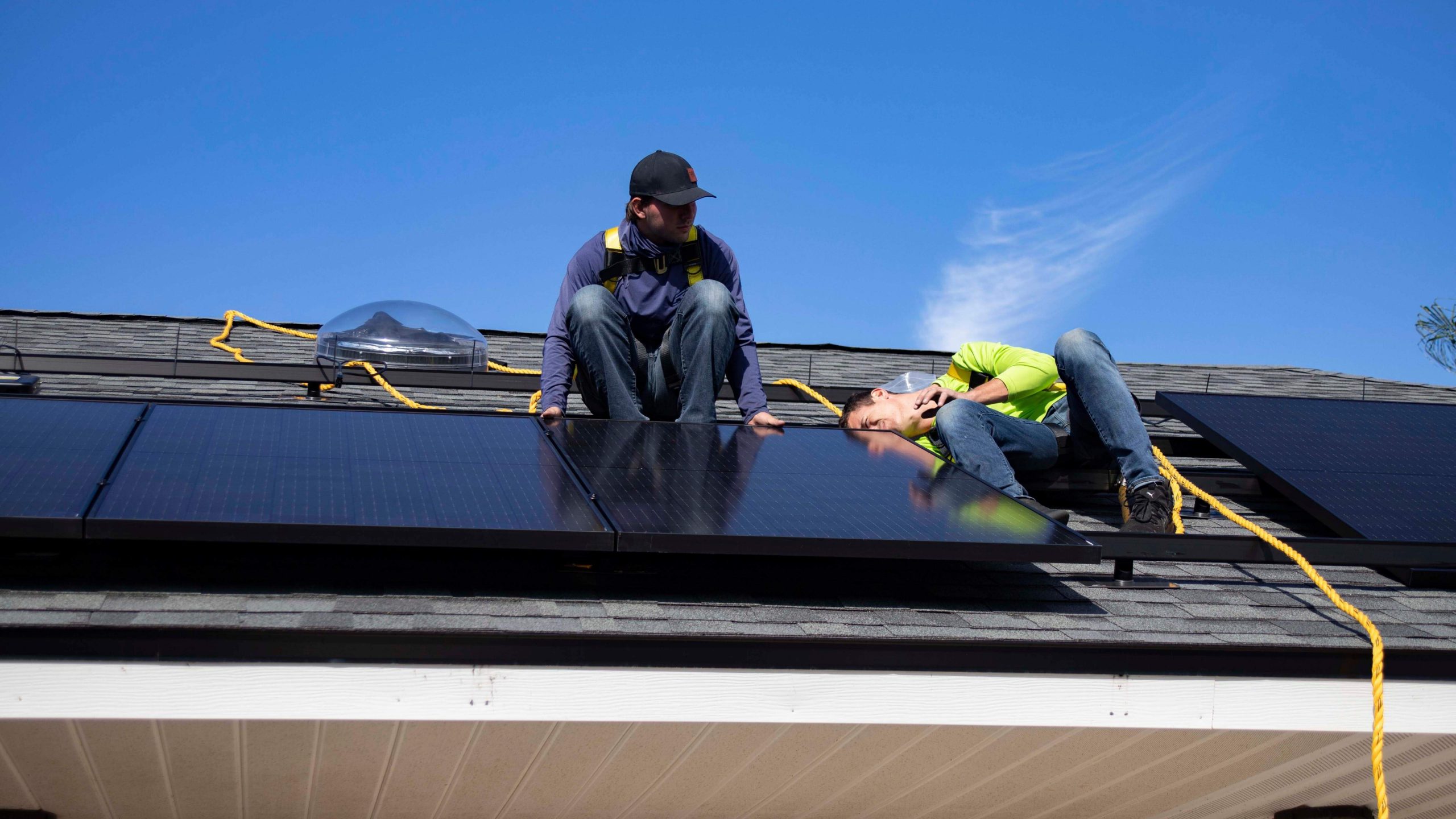
Safe access for installation, inspection, and maintenance is essential throughout the system’s lifecycle.
A detailed structural and site assessment helps identify potential challenges before project execution begins.
Principle 2: Maximize Solar Exposure
Solar panels generate electricity from sunlight, making exposure one of the most critical factors influencing performance.
For optimal energy generation:
- Panels should receive maximum sunlight throughout the day.
- Shading from trees, nearby buildings, water tanks, or other obstructions should be minimized.
- Seasonal variations in sunlight patterns should be considered during system design.
Even partial shading can significantly reduce overall system efficiency if not properly addressed.
Principle 3: Optimize Panel Orientation and Tilt
The positioning of solar panels directly affects energy production.
Factors influencing orientation include:
Direction
In India, solar panels are generally oriented toward the south to maximize annual solar irradiation.
Tilt Angle
The panel inclination should be designed based on geographic location and energy production objectives.
Row Spacing
Proper spacing between panel rows prevents inter-row shading and ensures adequate airflow.
Engineering optimization can improve energy yield substantially over the life of the project.
Principle 4: Prioritize Structural Integrity
A rooftop solar system must withstand environmental conditions throughout its operational life.
The mounting system should be designed to resist:
- Wind loads
- Rainfall
- Temperature variations
- Corrosion
- Seismic effects where applicable
Poorly designed mounting structures can compromise both safety and system performance.
High-quality materials such as hot-dip galvanized steel or aluminum structures are commonly used to ensure durability and longevity.
Principle 5: Ensure Electrical Safety
Electrical safety is one of the most important aspects of solar installation.
A properly engineered system includes:
Earthing and Grounding
Protection against electrical faults and lightning strikes.
Surge Protection
Safeguards equipment from voltage fluctuations and transient surges.
Proper Cable Management
Reduces fire risks and prevents cable damage.
Protection Devices
Circuit breakers, isolators, and protection relays ensure safe system operation.
Compliance with applicable electrical standards is essential for safe and reliable performance.
Principle 6: Select High-Quality Components
The performance of a solar system depends on the quality of its components.
Key equipment includes:
- Solar PV modules
- Inverters
- Mounting structures
- Cables and connectors
- Protection systems
- Monitoring equipment
Choosing proven, high-performance components helps improve energy generation, reduce maintenance requirements, and extend system life.
The lowest initial cost is not always the most economical choice over the long term.
Principle 7: Design for Ventilation and Heat Management
Solar panels operate more efficiently at lower temperatures.
Proper system design should allow:
- Adequate airflow beneath panels
- Heat dissipation
- Reduced thermal stress on components
Well-ventilated systems often achieve better performance and longer equipment life compared to installations with restricted airflow.
Principle 8: Incorporate Monitoring and Performance Tracking
Modern solar systems should include monitoring capabilities that provide real-time visibility into system performance.
Monitoring enables:
- Energy generation tracking
- Fault detection
- Performance analysis
- Preventive maintenance planning
Early identification of performance issues helps maximize system uptime and return on investment.
Principle 9: Plan for Maintenance Accessibility
Although solar systems require relatively low maintenance, periodic inspection and cleaning remain important.
Installations should provide safe access for:
- Module cleaning
- Electrical inspections
- Inverter maintenance
- System troubleshooting
A maintenance-friendly design contributes to sustained energy production over the system’s lifespan.
Principle 10: Focus on Long-Term Value, Not Just Installation Cost
A rooftop solar system is a long-term infrastructure investment.
Decision-making should consider:
- System performance
- Equipment reliability
- Safety standards
- Warranty coverage
- Maintenance requirements
- Lifecycle costs
A professionally designed and installed solar system delivers benefits for decades, making quality and reliability critical factors.
The Role of Professional EPC Execution
Successful rooftop solar projects require a combination of engineering expertise, quality materials, and disciplined execution.
From site assessment and structural evaluation to electrical design, installation, testing, and commissioning, every stage plays a crucial role in determining system performance.
Professional EPC partners ensure that installations comply with safety standards, maximize energy generation, and provide long-term operational reliability.
Conclusion
Rooftop solar is more than an energy-saving solution—it is an investment in sustainability, resilience, and long-term value creation.
By following sound engineering principles and partnering with experienced professionals, property owners can ensure that their solar systems operate safely, efficiently, and reliably for decades.
At Eneric Power, we believe that successful solar installations begin with thoughtful design and end with exceptional execution. Every rooftop presents an opportunity to harness clean energy and contribute to a more sustainable future.
Built on Values. Driven by Energy.