The Emergence of New Technologies for a Greener Future
How Innovation is Reshaping the Global Energy Landscape
The global pursuit of sustainability is driving one of the most significant technological transformations in human history. As nations strive to reduce carbon emissions, strengthen energy security, and meet ambitious climate goals, innovation is becoming the catalyst for a greener and more resilient future.
While renewable energy technologies such as solar and wind have already transformed power generation, the next phase of the green transition will be powered by a new generation of technologies that enhance efficiency, improve reliability, and accelerate decarbonization across industries.
The future of sustainability is no longer a distant vision—it is being engineered today.
The Evolution of Renewable Energy
Over the last two decades, renewable energy has moved from being an alternative energy source to becoming a mainstream component of global power systems.
Declining equipment costs, supportive government policies, and technological advancements have enabled large-scale deployment of solar and wind energy across the world.
However, the increasing adoption of renewable energy has also created new challenges, including:
- Grid stability
- Energy storage requirements
- Demand management
- Infrastructure modernization
- Energy access in remote regions
Emerging technologies are now addressing these challenges and unlocking the next stage of sustainable growth.
Smart Grids: Making Power Networks Intelligent
Traditional power grids were designed for one-way electricity flow from generation plants to consumers. Modern energy systems require a far more dynamic approach.
Smart grid technologies enable:
- Real-time monitoring
- Automated fault detection
- Demand response management
- Improved power quality
- Faster outage restoration
By integrating digital intelligence into power networks, utilities can improve efficiency while accommodating higher levels of renewable energy generation.
Energy Storage: The Missing Piece of the Renewable Puzzle
One of the most significant developments in the energy sector is the rapid advancement of energy storage technologies.
Battery Energy Storage Systems (BESS) are helping bridge the gap between renewable generation and energy demand by:
- Storing excess solar and wind energy
- Improving grid stability
- Supporting peak load management
- Enhancing energy reliability
As battery costs continue to decline, energy storage is expected to become a cornerstone of future power infrastructure.
Green Hydrogen: Fueling the Next Industrial Revolution
Green hydrogen is emerging as a game-changing technology in the global decarbonization journey.
Produced using renewable electricity and water electrolysis, green hydrogen offers a clean alternative for sectors that are difficult to electrify directly, including:
- Heavy industry
- Fertilizer production
- Steel manufacturing
- Long-distance transportation
- Shipping
Many countries, including India, are investing heavily in green hydrogen ecosystems as part of their long-term sustainability strategies.
Artificial Intelligence and Data-Driven Energy Management
Artificial Intelligence (AI) is transforming how energy assets are designed, operated, and maintained.
AI-powered systems can:
- Predict equipment failures
- Optimize energy generation
- Improve asset performance
- Reduce operational costs
- Enhance grid reliability
From solar plants and substations to transmission networks and energy storage systems, data-driven decision-making is becoming an essential component of modern infrastructure.
Digital Twins: Creating Virtual Power Infrastructure
Digital Twin technology is revolutionizing infrastructure management by creating real-time virtual replicas of physical assets.
These digital models allow operators to:
- Monitor asset performance
- Simulate operational scenarios
- Predict maintenance requirements
- Improve lifecycle management
- Reduce downtime
As infrastructure becomes increasingly complex, Digital Twins are expected to play a critical role in improving efficiency and sustainability.
Advanced Solar Technologies
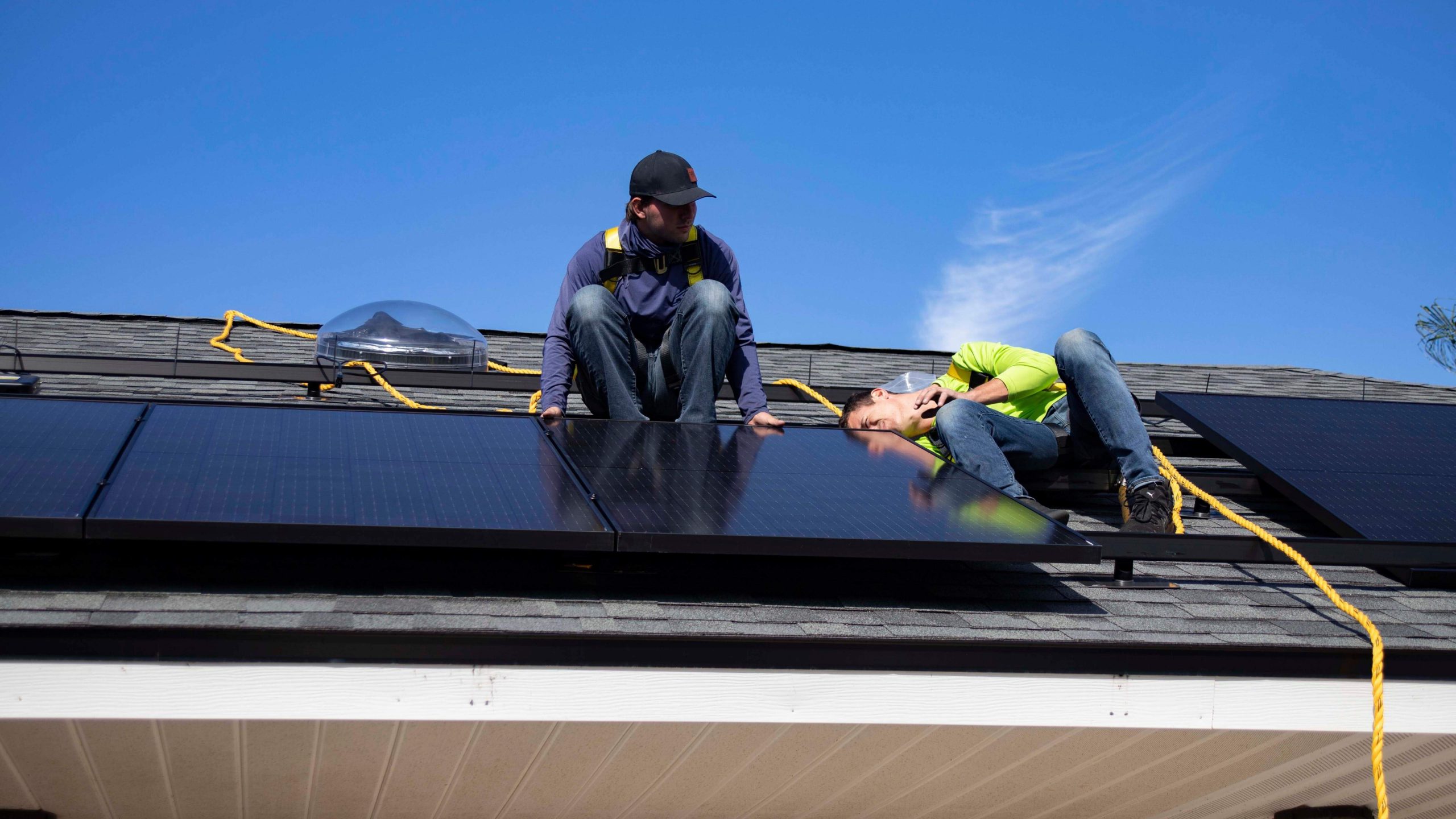
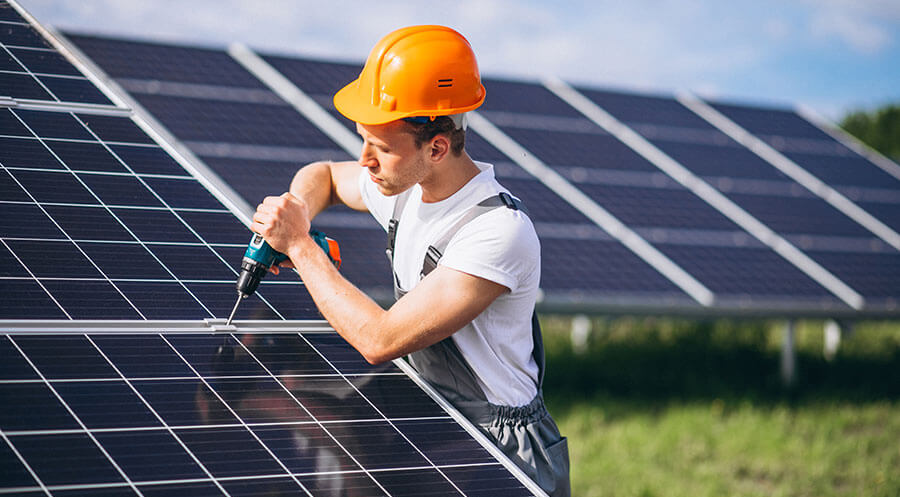
Solar technology continues to evolve beyond conventional photovoltaic systems.
Emerging innovations include:
High-Efficiency Solar Modules
Advanced cell technologies deliver higher energy output from the same installation area.
Floating Solar Systems
Solar installations on water bodies help optimize land utilization while reducing water evaporation.
Building-Integrated Solar
Solar generation is being incorporated directly into building materials and architectural designs.
Agrivoltaics
Dual-use systems combine agricultural activities with solar power generation, maximizing land productivity.
These innovations are expanding the potential applications of solar energy across diverse environments.
Sustainable Construction and Green Infrastructure
Technology is also transforming how infrastructure is built.
Modern construction practices increasingly incorporate:
- Low-carbon materials
- Waste reduction strategies
- Resource-efficient designs
- Environmental monitoring systems
- Sustainable project execution methods
At Eneric Power, these principles are reinforced through our GreenLoop Policy, which promotes sustainability throughout the project lifecycle—from survey and design to construction and operation.
The goal is not simply to build infrastructure, but to build it responsibly.
The Convergence of Technology and Sustainability
The future of energy will not be shaped by a single breakthrough technology. Instead, it will emerge from the integration of multiple innovations working together.
Imagine a renewable energy ecosystem where:
- Solar plants generate clean electricity.
- Battery systems store excess energy.
- Smart grids optimize distribution.
- AI predicts demand and asset performance.
- Digital Twins improve operational efficiency.
- Green hydrogen supports industrial decarbonization.
This integrated approach represents the next frontier of sustainable development.
Eneric Power’s Perspective
At Eneric Power, we believe that technology and sustainability are inseparable drivers of future growth.
As the energy sector evolves, organizations must embrace innovation while maintaining a strong commitment to environmental responsibility, engineering excellence, and operational integrity.
By combining advanced technologies with sustainable infrastructure practices, the industry can accelerate the transition toward a cleaner, smarter, and more resilient energy future.
Conclusion
The emergence of new technologies is transforming the way the world generates, stores, distributes, and consumes energy.
From artificial intelligence and Digital Twins to energy storage and green hydrogen, innovation is creating unprecedented opportunities to achieve sustainability goals while supporting economic growth.
The green future will not be built by technology alone—it will be built by organizations willing to harness innovation responsibly and turn ambitious visions into practical realities.
At Eneric Power, we are committed to being part of that journey, helping shape infrastructure that supports both progress and the planet.
Built on Values. Driven by Energy.
Innovating Today for a Greener Tomorrow.